2026 Hyundai Alcazar Facelift Review: The Most Tech-Loaded 7-Seater India Has Ever Seen!
 Share with Family & Friends
For a long time, people called the Alcazar just a "stretched Creta." But having spent the last 24 hours with the official production version, I can tell you—that era is over. Hyundai has transformed this into a sophisticated, premium machine that feels more like a luxury SUV than just a family carrier.
If you are confused between the XUV700, Tata Safari, or the Alcazar, this review will clear every single doubt you have. Let's talk about the "Mini-Palisade" in town, and by the end of this article, you'll know exactly which variant to book, what it costs to run, and whether it deserves a spot in your driveway.
The 2026 Hyundai Alcazar Facelift isn't just a minor update; it's a complete identity shift. While the Creta targets the youth, the Alcazar is now clearly aimed at the mature family man who wants First Class travel for his kids and parents. Hyundai has spent the last few years studying exactly what Indian three-row SUV buyers complain about — cramped third rows, hard plastics, and a "budget" feel compared to rivals — and this facelift answers almost every single one of those complaints.
Let's start with the numbers everyone wants first, then go deep into every part of the car so you walk away with a complete picture.
1. Exterior: The "Mini-Palisade" Look
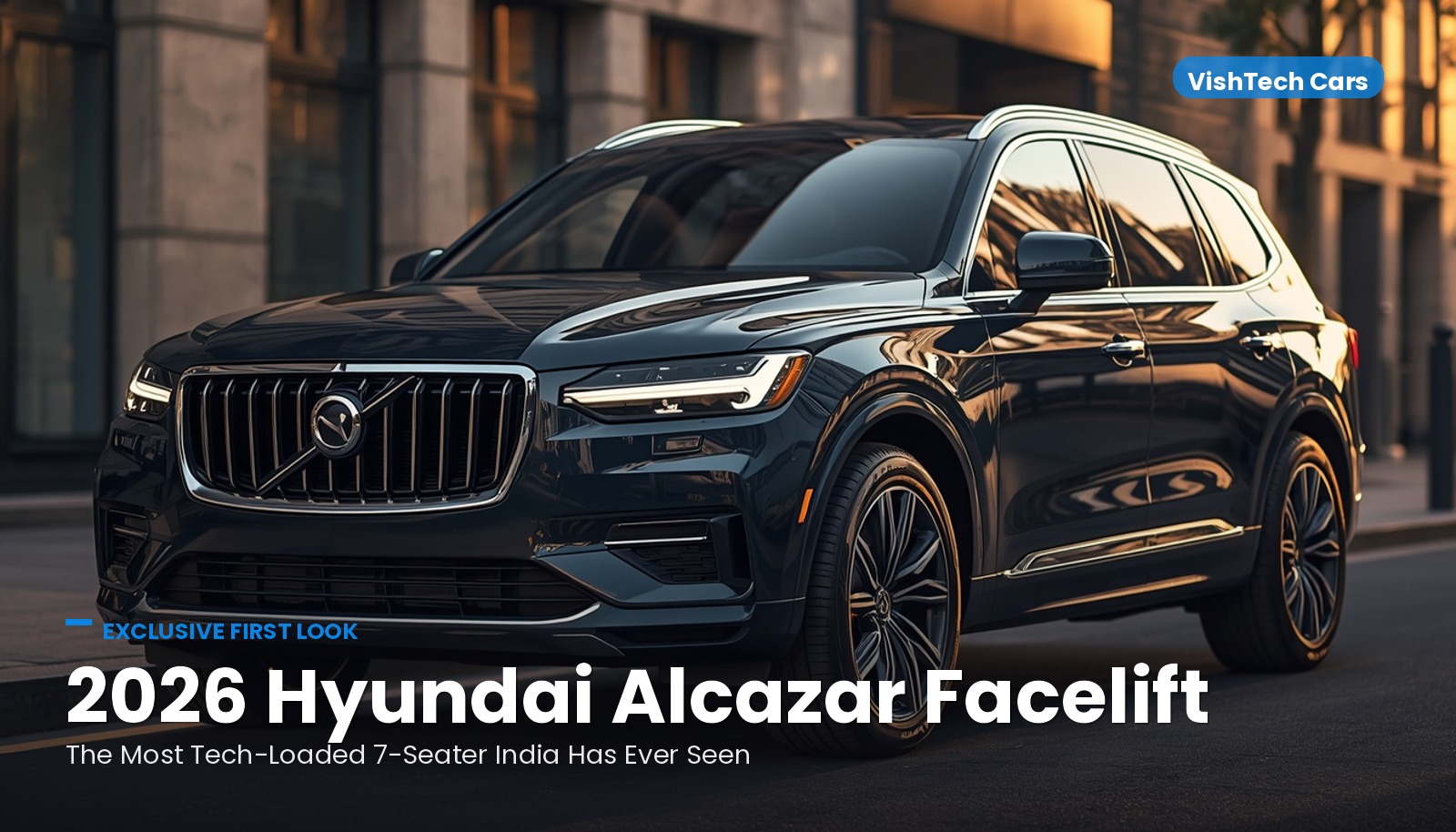
The biggest change is at the front. The new H-shaped LED DRLs (similar in spirit to the Santa Fe and Palisade global models) and a massive dark chrome grille give it an incredible road presence. It no longer looks like a Creta from the front. The bumper is chunkier, and the hood is flatter, making it look much wider than it actually is.
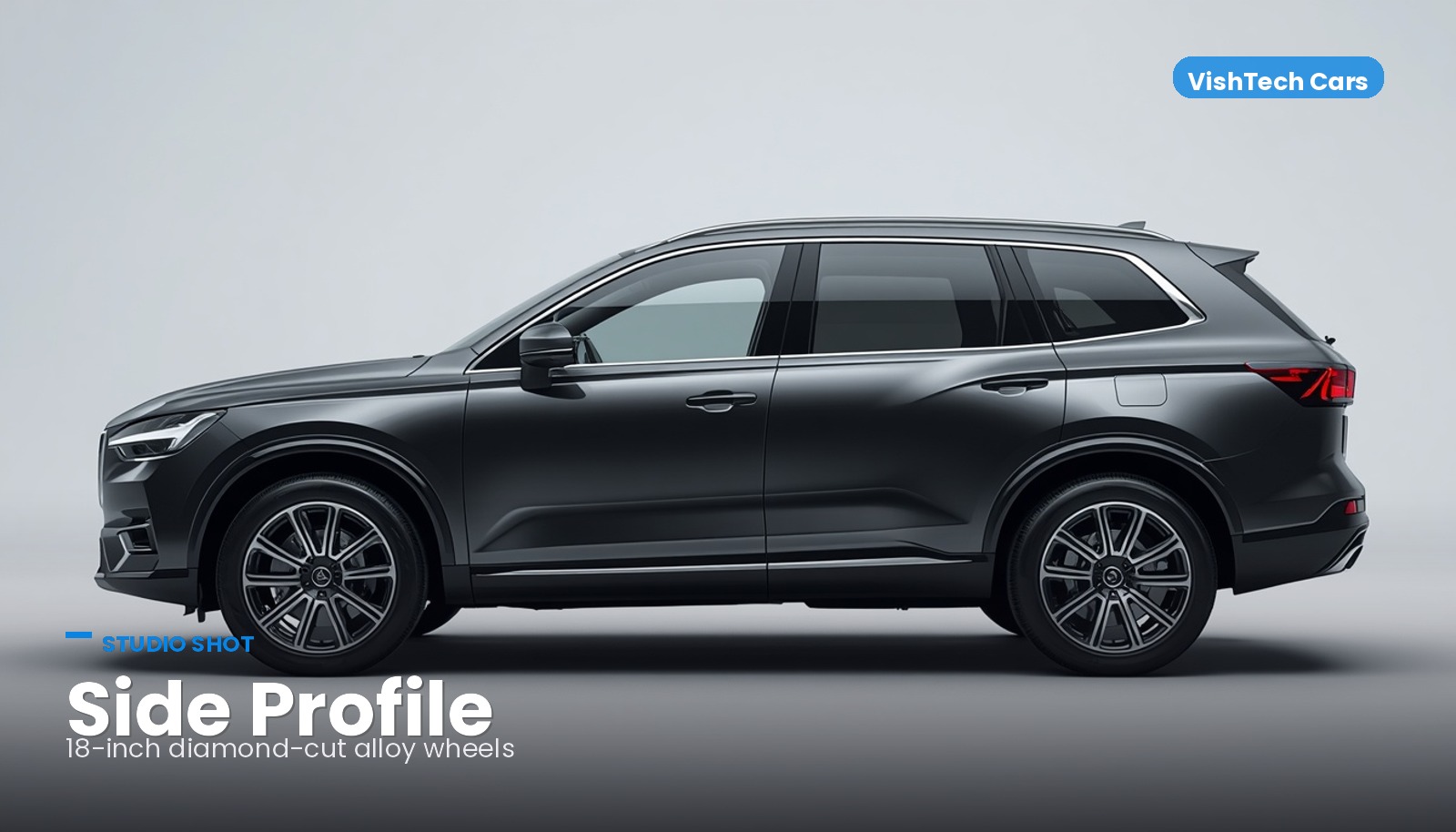
Move to the side profile, and the changes are subtler but still impactful. The window line has been kept clean, but the new 18-inch diamond-cut alloy wheels instantly lift the stance. Functional roof rails (finally load-rated, not just decorative) add to that "Go Anywhere" SUV vibe that families look for when planning long road trips with luggage on top.
At the back, the connected LED tail lamps now get a new 'pixel' design that lights up in a sequential pattern — something we've only seen on cars twice this price till now. The bumper has also been redesigned with a faux skid plate that adds a hint of ruggedness without making the car look like an off-roader it isn't.
Hyundai is offering the facelifted Alcazar in eight exterior shades, including two new dual-tone options exclusive to the top two trims. If you want maximum road presence, go for the dual-tone black roof combination — it's easily the most photographed variant on Instagram already.
2. Interior: A Luxury Lounge on Wheels
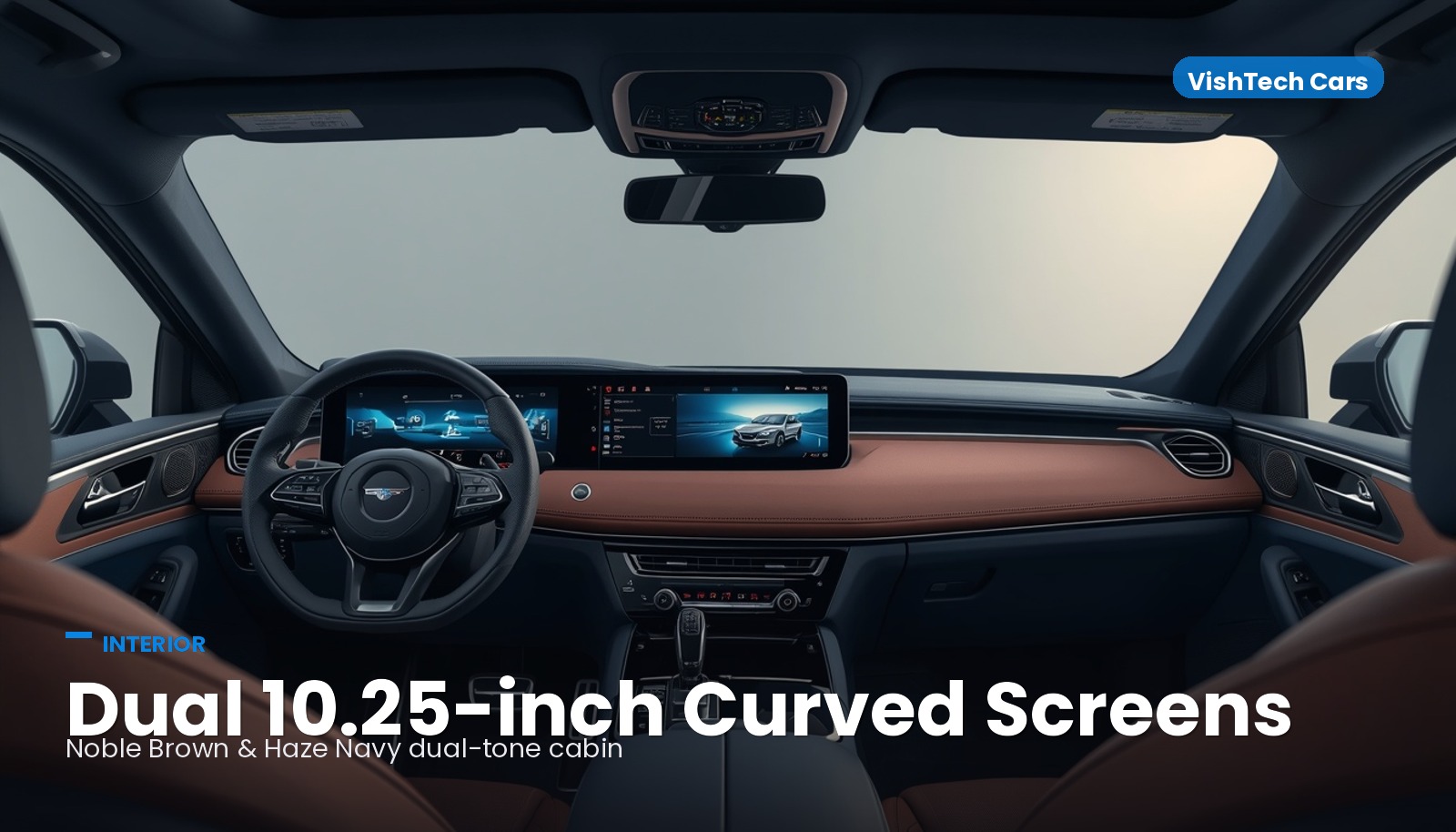
Step inside, and you're greeted by a new 'Noble Brown' and 'Haze Navy' dual-tone interior. The dashboard now features a curved dual-screen setup (10.25-inch instrument cluster + 10.25-inch infotainment). The plastic quality has noticeably improved, and there's soft-touch material on the dashboard, door pads and even the center armrest — areas where the outgoing model used to feel a generation behind its price tag.
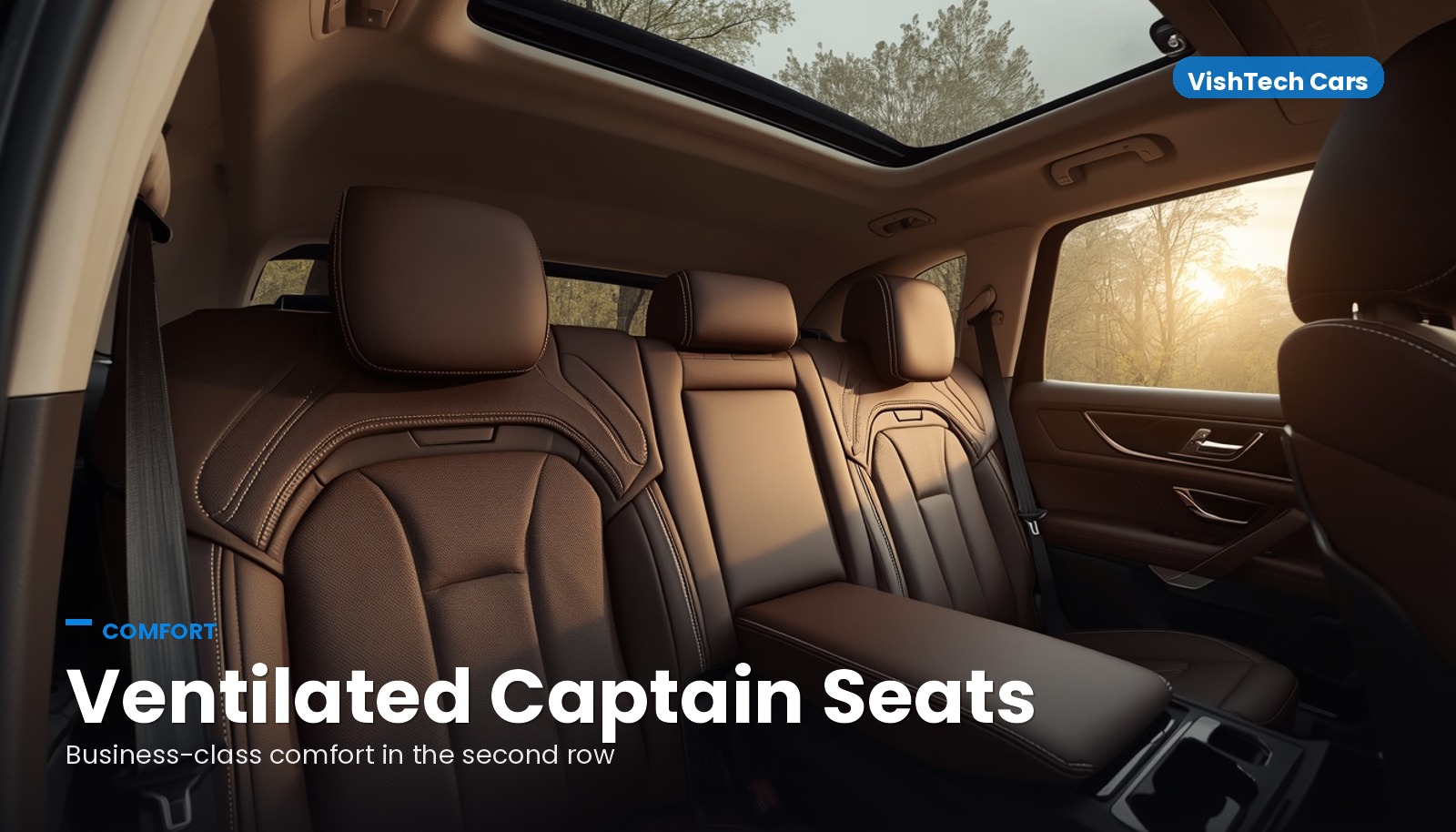
But the real magic is in the 6-seater version. The second-row captain seats now come with ventilation (yes, cooled seats in the back!) and "winged headrests" borrowed from Hyundai's global flagship SUVs. It genuinely feels like sitting in an airplane's business class. Each captain seat gets its own armrest, cupholder, and a fold-down picnic-style tray table on the higher variants — a feature parents with young kids will appreciate on long highway stretches.
The third row has also been reworked. While it's still best suited for children or shorter adults on longer journeys, Hyundai has added under-thigh support that was completely missing earlier, along with its own air-con vents and USB-C charging ports. Boot space with all three rows up remains modest at 180 litres, but fold down the third row and you get a genuinely usable 526-litre cargo area — enough for a family's worth of luggage on a weekend getaway.
The addition of a panoramic sunroof that responds to voice commands ("Hello Hyundai, open the sky") just adds to the premiumness, and it's become something of a party trick that every test-drive customer ends up trying at least twice.
3. Infotainment & Connectivity
The dual 10.25-inch screen setup runs on Hyundai's latest software, which finally feels snappy instead of laggy — a common complaint with the outgoing Alcazar. Wireless Apple CarPlay and Android Auto come standard from the mid-spec Prestige trim upwards, removing the need to plug in cables every time you get in.
The Bose 8-speaker sound system continues on the top trim, and frankly, it remains one of the best-sounding factory systems in this price bracket. Over-the-air (OTA) updates mean the car's software, navigation maps, and even some convenience features can be updated remotely, similar to what we've seen on Hyundai's EV lineup. There's also a dedicated companion app that lets you remote-start the AC, check tyre pressure, and even locate the car in a crowded mall parking lot — a feature that sounds gimmicky until you've actually needed it.
4. Engine & Performance: Smoothness Redefined
The 2026 Alcazar continues with two solid, familiar engine options, both of which have been recalibrated slightly for smoother low-end response:
- 1.5L Turbo Petrol: Producing around 160 PS and 253 Nm. This engine is genuinely quick for a 7-seater. Whether you are overtaking on the highway or cruising at 120 kmph, it never feels out of breath, and the turbo lag that some owners complained about in earlier versions has been noticeably reduced.
- 1.5L Diesel: Producing around 116 PS and 250 Nm. While not as fast as the petrol, it remains the king of mileage and the engine most owners doing 2,000+ km a month will prefer. For long family trips, this is the engine to pick.
The 7-speed DCT gearbox on the petrol is now smoother than ever, with almost zero lag in stop-and-go traffic — something that used to be a genuine sore point on the previous-generation Alcazar DCT. The diesel continues with a 6-speed torque converter automatic, which prioritises smoothness over outright sportiness, exactly what most three-row SUV buyers actually want.
Ride quality remains one of the Alcazar's strongest suits. Hyundai has retuned the suspension slightly for the facelift, and it now absorbs bad roads with even more composure while staying flat through corners — impressive for a vehicle of this size and seating capacity.
| Feature | 2026 Alcazar (Top Spec) | Tata Safari (Accomplished) | Mahindra XUV700 (AX7L) |
|---|---|---|---|
| Engine (Petrol) | 1.5L Turbo (160 PS) | Not Available | 2.0L Turbo (200 PS) |
| Engine (Diesel) | 1.5L (116 PS) | 2.0L (170 PS) | 2.2L (185 PS) |
| ADAS | Level 2 | Level 2 (Limited) | Level 2 |
| 2nd Row Comfort | Ventilated Captain Seats | Ventilated Seats | Captain Seats (Optional) |
| Ride Quality | Soft & Silent | Stiff & Rugged | Balanced |
| Starting Price | ₹14.51 Lakh* | ₹15.5 Lakh* | ₹14.5 Lakh* |
*Ex-showroom, approximate, subject to change by manufacturer.
5. Safety: Your Family's Guardian
Safety is no longer an option; it's a standard. The 2026 Alcazar comes with 6 airbags, ESC, Hill-Start Assist, and disc brakes on all four wheels as standard across the range — not locked behind the top trim like some rivals still do. The highlight, though, is Hyundai SmartSense (ADAS Level 2), available from the mid-spec Platinum trim onwards.
We tested the Autonomous Emergency Braking and Lane Keep Assist on the highway, and the calibration feels well-suited for Indian roads. It doesn't give unnecessary beeps every few seconds the way some early ADAS systems used to, but it intervenes confidently when it actually matters. The 360-degree camera has also been upgraded to a 'High Definition' unit, making it noticeably easier to park in tight basement parking spots — a genuine quality-of-life improvement for daily city driving.
Hyundai has also added a rear occupant alert system and ISOFIX mounts on the second row across all variants, which matters a lot for families with toddlers.
6. Variants & Pricing Breakdown
The Alcazar facelift is offered across four main trims — Executive, Prestige, Platinum, and Signature — each available in both 6-seater and 7-seater layouts on the higher variants.
- Executive (Base): ₹14.51 Lakh — cloth seats, 7-inch touchscreen, rear AC vents, dual airbags.
- Prestige: ₹16.8 Lakh (approx.) — wireless CarPlay/Android Auto, 6 airbags, rear camera, 17-inch alloys.
- Platinum: ₹18.9 Lakh (approx.) — panoramic sunroof, ventilated front seats, Level 2 ADAS, Bose audio.
- Signature: ₹21.25 Lakh (top-end) — captain seats with ventilation, dual-tone interior, 18-inch diamond-cut alloys, full SmartSense suite.
For most families, the Platinum trim hits the sweet spot — you get the panoramic sunroof, ADAS, and a properly loaded cabin without paying the full premium for the Signature's captain-seat treatment.
7. Running Costs & Ownership
The Turbo Petrol DCT returns around 10-12 kmpl in city traffic and closer to 16 kmpl on the highway. The Diesel Manual remains the mileage champion, easily delivering 18-20 kmpl on open highways, and around 14-15 kmpl in mixed city-highway use — a big factor for owners who regularly drive between cities.
Hyundai's service network is one of the widest in the country, and the Alcazar shares a lot of its parts bin with the hugely popular Creta, which keeps spare-part availability and service costs reasonable compared to some rivals with lower sales volumes. A 3-year/unlimited-km standard warranty is included, extendable up to 7 years — worth considering given how long most families keep a 7-seater SUV.
Why It's the Best Choice (Pros)
- Tech Paradise: Features like dual-zone climate control, ventilated captain seats, and OTA updates are segment-leading.
- Refinement: The cabin is extremely quiet, and NVH levels are among the best in class.
- Ease of Driving: Despite being a 7-seater, it feels as easy to drive and park as a much smaller hatchback.
- Resale & Service Network: Shared parts with the Creta keep ownership costs predictable.
- Strong Safety Kit: 6 airbags standard across the range, with ADAS from the mid-trim up.
Things to Keep in Mind (Cons)
- 3rd Row Space: Still best suited for children or short distances for adults, even with the improved cushioning.
- Diesel Power: If you regularly carry 7 adults with heavy luggage, the 1.5L diesel can feel slightly stretched compared to the Safari's 2.0L unit.
- Boot Space (7-seat mode): 180 litres is usable for a weekend bag each, but not much more with all rows occupied.
- Top-trim Pricing: The fully loaded Signature edges close to mid-size SUV territory, where shoppers may also start cross-shopping larger options.
8. Real-World Driving Experience: City vs Highway
Numbers on a spec sheet only tell half the story, so we spent a full day driving the Alcazar facelift in both heavy city traffic and on the open highway to see how it actually behaves where you'll be using it most.
In the city, the steering is light enough for effortless U-turns and tight parking maneuvers, yet it doesn't feel nervous or twitchy at higher speeds, which is a tricky balance most SUVs in this segment get wrong. The turning radius has been kept tight despite the longer wheelbase, so navigating narrow lanes in older parts of town isn't the chore you'd expect from a near-4.6-metre SUV. The high-set driving position also gives excellent visibility over traffic, something families upgrading from a sedan or hatchback will immediately appreciate.
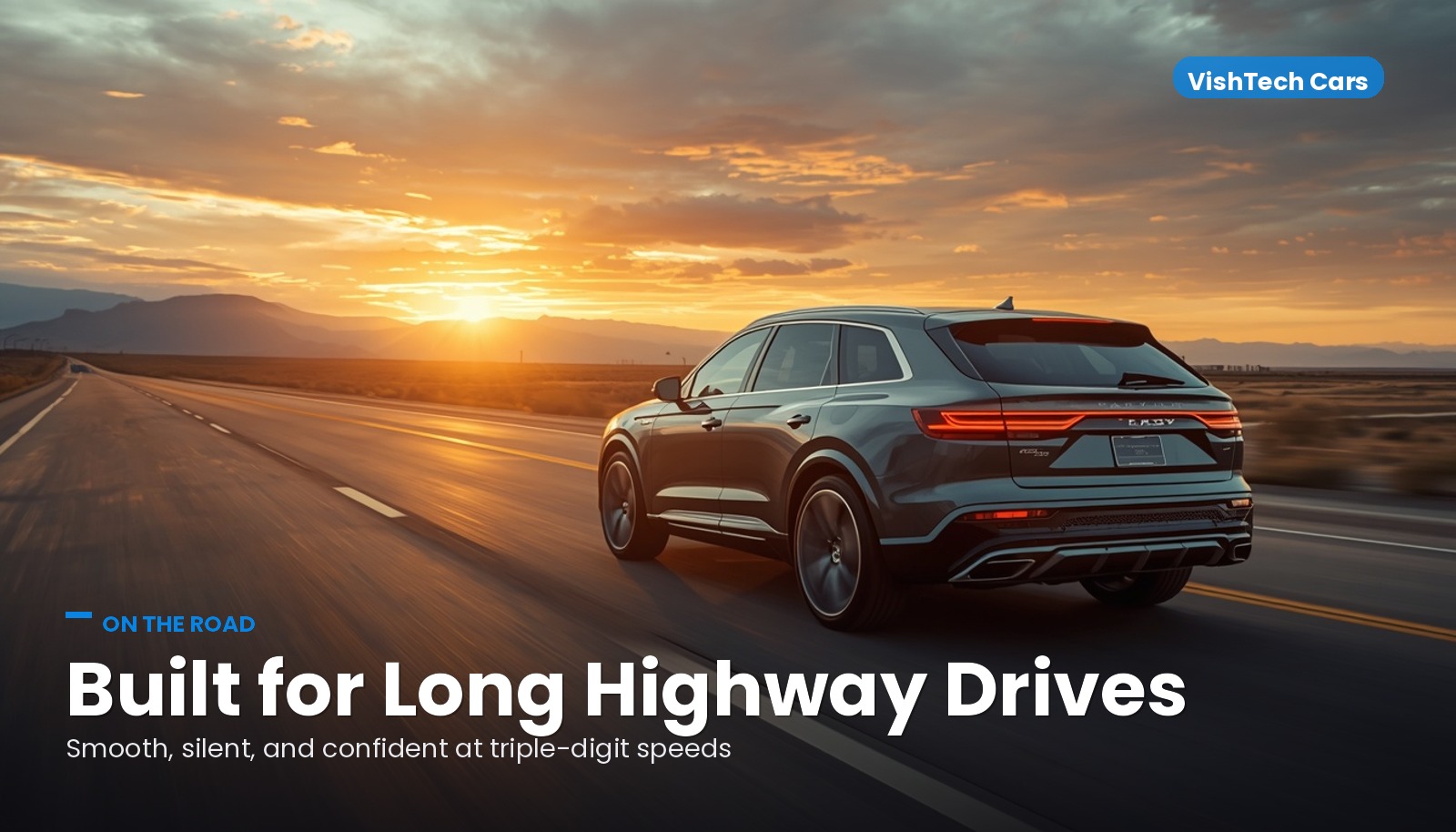
On the highway, this is where the Alcazar genuinely surprises. Triple-digit cruising is hushed, thanks to improved cabin insulation and revised door seals introduced with this facelift. Overtaking in the petrol DCT is confident, with the gearbox kicking down quickly when you need that extra burst of power to clear slower traffic. The diesel, while not as eager, settles into a relaxed cruising rhythm that makes 300+ km trips far less tiring than they have any right to be. Wind noise, a common complaint on the outgoing model at speeds above 100 kmph, has also been noticeably reduced.
Braking feel is progressive rather than grabby, which inspires confidence when you're carrying a full load of passengers and luggage. Body roll through corners is present, as expected from a tall three-row SUV, but it's well controlled and never feels alarming even when pushed harder than the average family buyer ever will.
9. Who Should Actually Buy the 2026 Alcazar?
Not every SUV suits every buyer, so let's break down exactly who this car is — and isn't — for.
You should seriously consider the Alcazar if: you're a city-based family that occasionally drives long distances for weekend getaways or visiting relatives; you value a quiet, comfortable cabin over outright rugged off-road capability; you want the latest tech and safety features without stepping into the ₹25 lakh-plus bracket; or you're upgrading from a Creta and want more space without losing that familiar Hyundai ownership experience.
You might want to look elsewhere if: you regularly need to carry seven full-sized adults on long trips, in which case the extra diesel power of a Safari or XUV700 will serve you better; you frequently drive on genuinely poor, broken roads where the Safari's stiffer, more rugged setup has an edge; or you specifically want a true off-roader with low-range capability, which isn't what the Alcazar — or really any car in this segment — is built for.
For the vast majority of urban Indian families shopping in the 7-seater segment, though, the Alcazar's blend of comfort, tech, and everyday usability makes it an extremely easy car to recommend.
Final Verdict: Should You Buy It?
If you are looking for a "Gunda Look" SUV with raw, rugged power, you might still look at the Scorpio-N. But, if you want sophistication, incredible technology, and the most comfortable 2nd-row seats under ₹22 lakhs, then the 2026 Hyundai Alcazar Facelift is the clear winner.
It has finally stepped out of the Creta's shadow and established itself as a premium 7-seater in its own right. For city-first families who occasionally take long highway trips and value comfort and tech over outright ruggedness, this is about as complete a package as you'll find at this price point right now.
VishTech Rating: 4.8/5 Stars ⭐⭐⭐⭐⭐
Frequently Asked Questions
Q: What is the real-world mileage?
A: The Turbo Petrol DCT gives around 10-12 kmpl in the city, while the Diesel Manual can easily deliver 18-20 kmpl on the highway.
Q: Is there a CNG option?
A: Currently, Hyundai does not offer the Alcazar with a factory-fitted CNG kit.
Q: Does it have a Panoramic Sunroof?
A: Yes, it features one of the largest panoramic sunroofs in its segment, now with voice control.
Q: Should I choose the 6-seater or 7-seater?
A: If you usually travel with 4-5 people and value comfort, the 6-seater captain-seat version is worth the extra cost. If you regularly need all 7 seats, stick with the 7-seater layout.
Q: How does it compare to the Mahindra XUV700?
A: The XUV700 offers more outright power and a sportier drive, while the Alcazar focuses on cabin comfort, refinement, and a more premium-feeling interior.